
In 2026, a Day 5 (Blastocyst) transfer is generally preferred over a Day 3 transfer because it allows for natural selection of the strongest embryos. Blastocysts have a higher implantation rate (50–60%) per embryo compared to Day 3 embryos, as they have survived a critical developmental “filter” and align more naturally with the uterine lining.
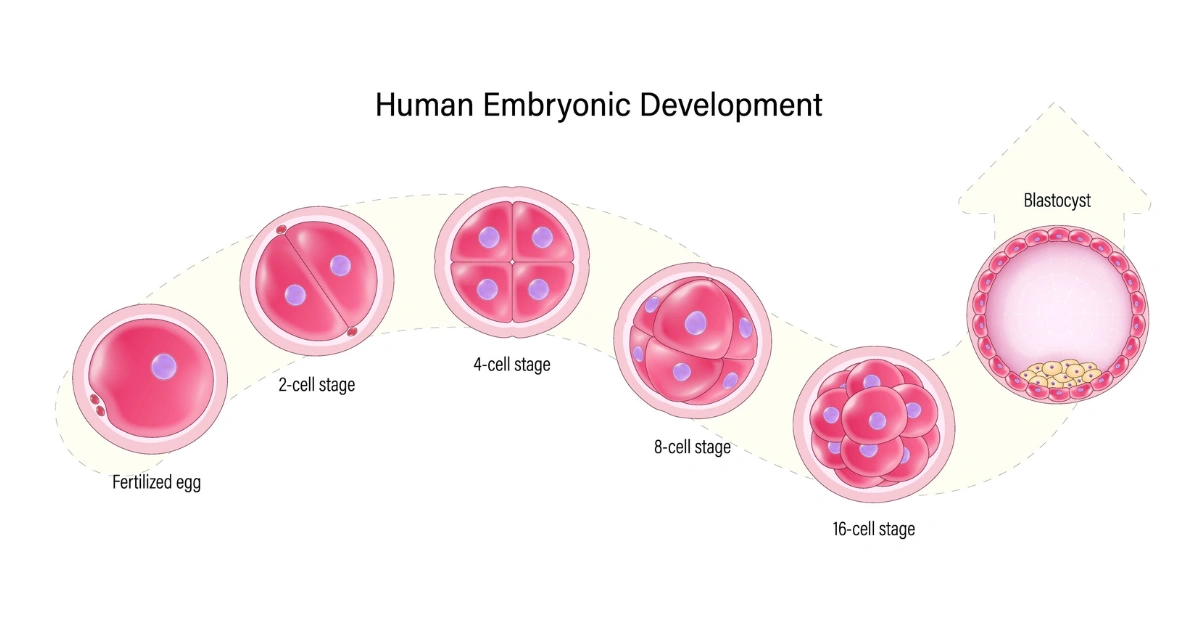
What is the Difference Between Day 3 and Day 5?
A Day 3 embryo (Cleavage Stage) typically contains 6 to 8 cells. At this point, the embryo’s own genome has not fully “switched on.” A Day 5 embryo (Blastocyst) has developed into a complex structure of 60–120 cells. In a natural pregnancy, the embryo only reaches the uterus on Day 5; therefore, a blastocyst transfer more accurately mimics the natural timing of human conception.
The “Survival of the Fittest” Filter
Not every embryo that looks good on Day 3 will make it to Day 5. This is a critical biological “filter.” Many embryos stop growing on Day 4 due to genetic abnormalities. By waiting until Day 5, we are performing a natural selection process. This ensures we only transfer embryos with the highest potential for a full-term pregnancy, reducing the number of failed cycles and miscarriages.
When is a Day 3 Transfer Still Recommended?
While Blastocyst culture is the gold standard for Clinical Excellence, a Day 3 transfer is sometimes safer if a patient has only 1 or 2 embryos. In these specific cases, the “in-vivo” (inside the mother) environment of the uterus may be more nurturing than the “in-vitro” (lab) incubator. We decide this protocol on an individual basis during the “Strategic Audit” of the cycle.
Success Rates: Blastocyst vs. Cleavage Stage
Clinical data in 2026 indicates that Blastocyst transfers lead to higher pregnancy rates per transfer. Because we are transferring fewer, high-quality embryos, we also significantly reduce the risk of multiple pregnancies (twins/triplets). This aligns with my philosophy of achieving a Single Healthy Baby through precision science rather than “multiple-transfer” guesswork.
Frequently Asked Questions
Does a blastocyst transfer guarantee a baby? No medical procedure can guarantee 100% success, but a blastocyst transfer has the highest implantation probability of all embryo stages.
Is blastocyst culture more expensive in Goa? Extending culture to Day 5 requires specialized media and advanced incubator monitoring. In 2026, this may add a nominal cost of ₹15,000 to ₹25,000 to your cycle, but it often saves money by preventing failed transfers.
Can Day 3 embryos be frozen? Yes, but in my clinical practice, we prefer freezing at the Blastocyst stage as they have higher survival rates after thawing (cryopreservation).
A Specialized Roadmap for Your Next Step
Success starts with the right embryo stage, but it also depends on the “soil” it is planted in.
- Next Step: Ensure your uterine environment is ready in my Guide to Treating Thin Endometrium.
- Related Audit: Understand how we solve cases of Recurrent IVF Failure.